Choosing the right toothbrush can transform your oral health and the appearance of your smile. In this comprehensive guide, you'll discover everything you need to know to choose the best toothbrush for your needs, with expert recommendations and practical tips.
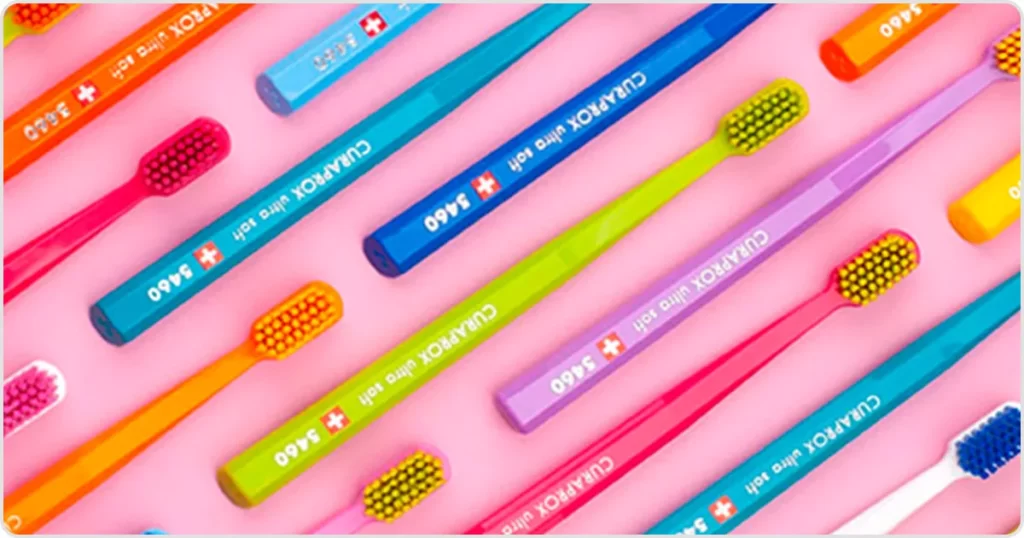
If you are wondering which is the best toothbrush for your gums, whether you should use an electric or manual toothbrush, or simply looking to improve your oral hygiene, you are in the right place.
In addition, you will learn about the brands recommended by dentists, the benefits of each type of toothbrush, and how to choose one according to your lifestyle.
What is a toothbrush and what is it used for?
A toothbrush is an oral hygiene tool designed to remove plaque and food debris from teeth, gums and tongue. Regular use prevents cavities, bad breath, tartar and periodontal disease. It also stimulates gums and helps maintain a healthy smile between dental visits.
Essential functions of the toothbrush.
- Eliminates bacterial plaque that causes cavities.
- Prevents gingivitis, bad breath and tartar.
- Stimulates gums and keeps the mouth clean between dental visits.
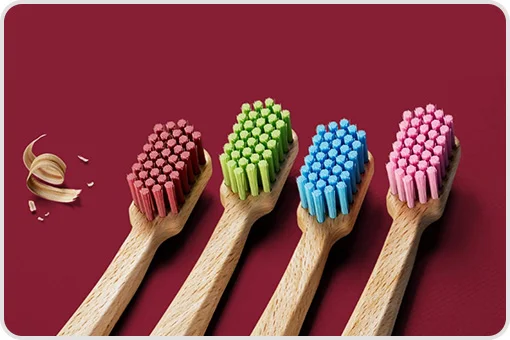
Common toothbrush myths (and why you shouldn't believe them).
Over time, many erroneous beliefs about toothbrushes have arisen. Here we debunk the most common ones with a clinical basis:
- "Hard bristles clean better." : In reality, they can damage the enamel and hurt the gums. Soft or ultra-soft bristles clean with more precision without causing damage.
- "An expensive brush is always better": Price is no guarantee of quality. The important thing is that the brush to suit your oral needsnot its label.
- "It doesn't matter how much you use it as long as it looks good": Even if it looks "whole", the bristles lose effectiveness. You should change your brush every 3 months or earlier if worn.
- "Electric toothbrushes damage gums": On the contrary. Many models have pressure sensors and are ideal for those who apply too much force with the manuals.
- "You just need to brush hard to clean well." Excessive pressure can cause receding gums. Technique is more important than strength.

Common mistakes when using a toothbrush.
Many oral problems do not stem from the toothbrush itself, but from its incorrect use. These are the most frequent mistakes:
- Pressing too hardwhich wears away the enamel and hurts the gums.
- Do not change the brush every 3 monthsespecially if the bristles are deformed.
- Use stiff bristlesthinking that they clean more, when in fact they irritate.
- Brushing too little time or in a hurrywhich leaves accumulated plaque.
- Store the brush wet or unprotectedThe use of this product is not recommended, favoring the growth of bacteria.
Avoiding these mistakes can make a big difference in your long-term oral health.
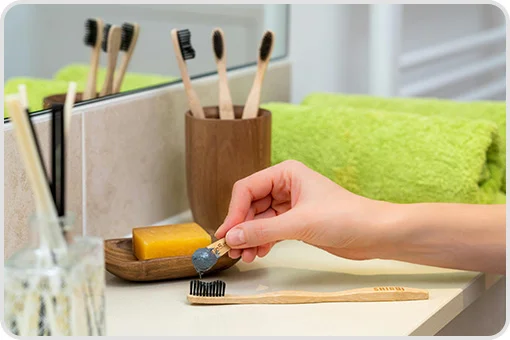
Mistakes when storing your toothbrush (and how to do it right).
Using a good toothbrush is not enough if you store it incorrectly. These common mistakes can reduce its effectiveness or even put your oral health at risk:
- Store it wet in a wet case: Moisture promotes bacterial growth. Always let the brush to dry in the open airThe brushes should be kept in a vertical position and without contact with other brushes.
- Leave it next to the toilet: Every time you flush the toilet without closing the lid, microscopic particles can get into the brush. Avoid storing near the toiletespecially if it is not covered.
- Using unventilated plastic covers: Although they look hygienic, they can trap moisture. If you use a cover, make sure that it has ventilation openings or only use it during short trips.
- Sharing cups or stands without dividers: Contact between heads promotes bacterial transfer. Use individual supports or with separators.
🧠 Extra tip: clean the handle and base of the brush at least once a week with soap and water or alcohol, especially if you rest it on wet surfaces.
Types of toothbrushes.
- Manuals: ideal for those seeking control and low cost.
- Electric: deep cleaning with less effort.
- Ultrasonic: for patients with specific needs.
- Interdental and orthodontic: for equipment or confined spaces.
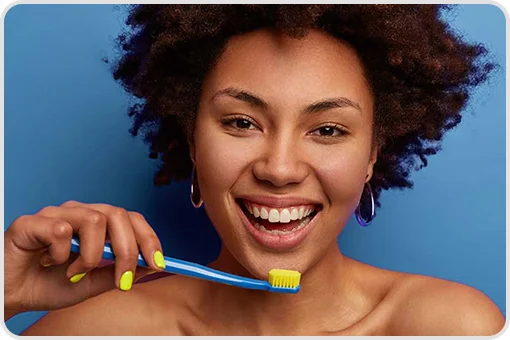
How often should you change your brush?
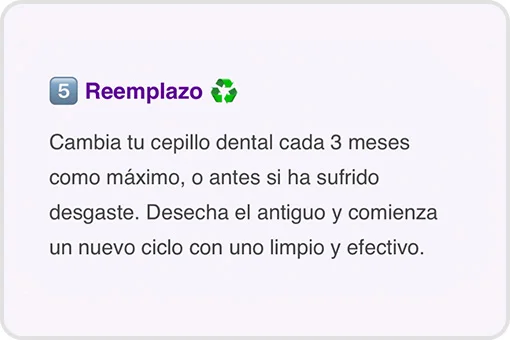
Dentists recommend toothbrush replacement every 3 months at the most. However, if the bristles are deformed before, or if you have been ill recently, the ideal is to replace it immediately.
- Manual brushes: change every 2-3 months.
- Electric headaccording to wear and tear, usually every 3 months.
- Orthodontic brushesThey tend to wear out more quickly.
Changing the brush on time ensures effective cleaning and prevents infections.
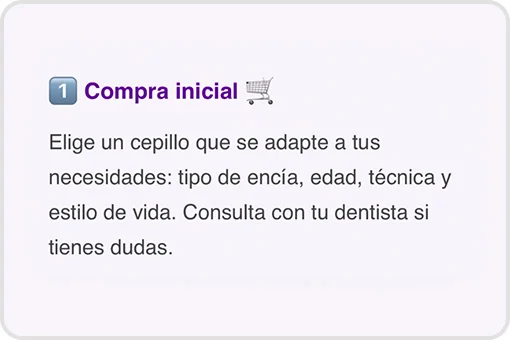
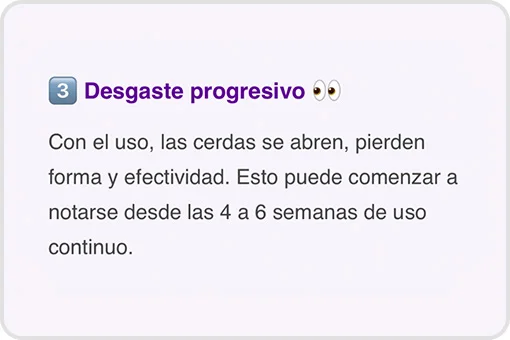
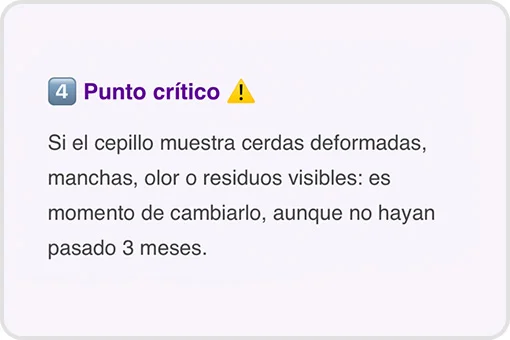
Life cycle of a toothbrush: What you should know:
Know the key stages your toothbrush goes through from the time you buy it until you should replace it:

How to choose the right toothbrush (and not fail)
Choose the suitable toothbrush depends on your gums, age, brushing technique and whether you wear braces. For most, soft bristles, compact brush head and ergonomic handle are recommended. If you have sensitive gums, opt for ultra-soft bristles. The important thing is that it suits you and facilitates effective cleaning without causing damage.
According to your gums
- Sensitive: ultra-soft bristles to avoid bleeding.
- Healthy: soft or medium bristles for efficient cleaning.
Depending on your lifestyle and age
- Children: small heads and handles with fun design.
- Older adults: ergonomic handles and good accessibility.
- People with orthodontics: special heads for cleaning brackets.
Ergonomic design and smart heads
- Did you know that a small head can clean your back molars better?
- The handle must be non-slip and comfortable for you to really use it well.
Step-by-step guide: how to brush your teeth correctly?
Knowing how to choose the right brush is key, but knowing how to use it correctly is even more important. Proper brushing technique not only improves cleaning, it also protects your gums and prevents tooth wear.
Technique recommended by dentists (Bass method):
- Place the brush at an angle of 45°. with respect to the gum line.
- Make smooth, short back-and-forth movements without exerting too much pressure.
- Brush all sides of the toothExternal, internal and chewing surface.
- Brush the tongue and palate to eliminate bacteria that cause bad breath.
- Brush for at least 2 minutestwice a day.
🧠 Pro tip: divide your mouth into four quadrants and devote 30 seconds each to ensure complete cleanliness.
Good technique, combined with the right toothbrush, can prevent caries, sensitivity, tartar and periodontal disease.
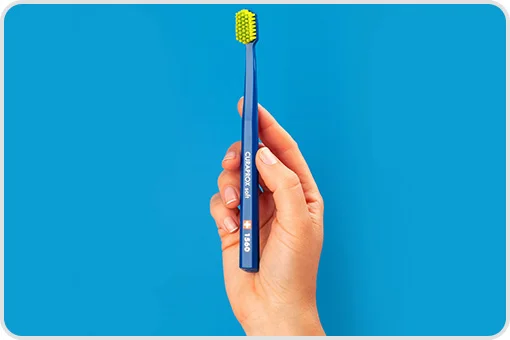
Top 3 post-brushing mistakes that almost nobody mentions.
You've done a good brushing... then what? Many people make mistakes right after brushing their teeth, which can reduce the effectiveness of their oral hygiene. Here are the most common ones (and how to avoid them):
- Store the toothbrush on a flat surface : After use, many people place the toothbrush lying on the sink or shelf, which encourages contact with bacteria or standing water.
The ideal: place it in vertical positionThe product should be stored in a clean and ventilated vessel, away from other surfaces. - Storing the brush even when wet: The humid environment favors the growth of bacteria.
The ideal: shake the brushLet it air dry and place it in an upright position without an airtight lid. - Brushing right after acidic foods: If you drank orange juice, coffee or ate something acidic, brushing right away can damage the enamel.
The ideal: wait 20-30 minutes so that the oral pH is balanced.
Manual vs. electric toothbrush - Which is better?
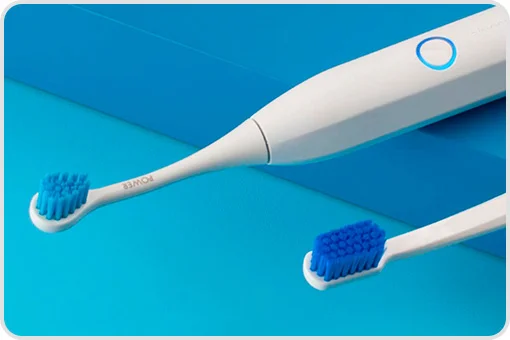
Both brushes can be effective if used properly, but the electric toothbrush facilitates deeper cleaning with less effort, ideal for those with limited mobility or poor technique. The manual brushinstead, it offers total control and is more economical. The best choice depends on your needs and brushing habits.
Advantages of the electric toothbrush
- Oscillatory or vibratory motion.
- Ideal for people with reduced mobility.
Benefits of manual brushing
- Economic.
- Portable.
- Total control of brushing.
Clinical recommendation
If you have any doubts, schedule a consultation at Hola Sonríe. We will tell you which one is the most appropriate for your case and show you how to use it properly.
Are there ecological toothbrushes?
Yes, there are now toothbrushes designed to reduce the environmental impact of conventional plastic. While not all offer the same durability or effectiveness as traditional toothbrushes, many of them meet hygiene and sustainability standards.
Most common types of ecological brushes:
- Bamboo brushesbiodegradable, with compostable handles and recyclable packaging.
- Brushes with replaceable brush headsThe handle can be reused and only the worn part can be replaced.
- Recyclable brushes or brushes made from recycled materialsreduce the ecological footprint without compromising functionality.
🧠 Tip: be sure to check if the model has. environmental certifications or is approved by dental associations. Some "green" toothbrushes may not have the necessary clinical support.
If you are looking for an option that takes care of your oral health and the planet, an eco-friendly toothbrush can be an excellent alternative.
Comparison Chart: Manual vs Electric.
Choose between a manual or electric toothbrush depends on your needs and habits. This table will help you compare their main features so you can make an informed decision and choose the ideal brush for you.
| Feature | Manual Brush | Electric Brush |
|---|---|---|
| Price | Under | Medium to High |
| Cleaning | Depends on the user | Constant and deep |
| Requires technical | Yes | Less technical expertise required |
| Recommended for | General use | Reduced mobility or limited technical skills |
| Pressure control | Manual | Yes (on some models) |
Which toothbrush is recommended according to age?
Throughout life, our dental needs change. Choosing the right toothbrush for each stage is key to maintaining good oral health. Dentists make the following recommendations according to age:
| Stage | Toothbrush recommendations |
|---|---|
| 👶 Babies (0-3 years) |
- Small and rounded head. - Extra soft bristles. - No fluoride toothpaste (unless professionally indicated). - Short, ergonomic handle for adults. |
| 🧒 Children (4-12 years) |
- Fun designs that motivate brushing. - Small and soft head. - Handle with good grip. - Toothpaste with low fluoride content. |
| 👩 Adults |
- Compact head to reach posterior areas. - Soft or ultra-soft bristles. - Non-slip handle for greater control. |
| 👴 Older adults |
- Thicker, ergonomic handle for easier grip. - Flexible head to adapt to prosthesis or receding gums. - Ideally soft bristles. |
| 🦷 People with orthodontics |
- Specialized V-shaped brushes or adapted brush heads. - Complement with interdental brushes or irrigators. |
Adapting the toothbrush to each stage not only improves the effectiveness of brushing, but also reduces the risk of irritation, caries and gum disease.
Practical guide to recommended products.
At Hello SmileWe have tested dozens of toothbrushes in real clinical settings. These are our recommendations based on comfort, efficacy and gingival health:
Curaprox 5460
- Sows: Ultrasoft (5460 filaments)
- Ideal for: Sensitive gums or people with occasional bleeding
- Clinical commentary: High filament density that cleans without damage
Curaprox 3960
- Sows: Soft
- Ideal for: Healthy gums, transitioning from conventional toothbrushes
- Clinical commentary: Effective cleaning without being too soft
Curaprox 1560
- Sows: Medium softness
- Ideal for: Users accustomed to regular brushes
- Clinical commentary: Provides firmness with less risk of aggression
Curaprox Hydrosonic Easy
- Technology: Sonic vibration with up to 42,000 movements per minute
- Ideal for: People looking for a deep cleaning without complications
- Clinical commentary: Very effective for patients with sensitive gums, orthodontics or poor technique; includes ultra-soft heads
🧠 Pro tip: If you are in doubt about which model to use, come in for a consultation. At Hello Smile we guide you based on your gingival health, brushing technique and lifestyle.
🎯Our recommendation: Curaprox, the toothbrush you can trust at Hola Sonríe
At Hola Sonríe, after years of clinical experience and testing with different products, we have chosen to recommend exclusively the Curaprox toothbrush. Its Swiss design, ultra-fine bristles and superior softness make it the best choice for keeping your gums healthy and your smile radiant without causing irritation.
Do you want to know which model we currently recommend the most and why?
Click on the button below to access the page where you will find all the information you need: clinical benefits, professional recommendations and an exclusive promotion if you decide to try it.

What people ask most about toothbrushes.
What is the best toothbrush for my teeth?
The best toothbrush is the one that has soft bristlesa small head y ergonomic handle. This type allows effective cleaning without damaging the gums and facilitates access to difficult areas such as posterior molars.
What is a toothbrush and what is it used for?
The toothbrush is an oral hygiene tool designed to eliminate bacterial plaque, prevent cavities y keeping gums healthy. Its daily use helps to maintain oral health and prevent periodontal diseases.
What type of toothbrush is best for my teeth?
The ideal type of toothbrush depends on the user, but in general, the electric toothbrushes with timer and pressure sensor are highly recommended for their efficiency and ease of use.
What is the best toothbrush?
Many dentists agree that models such as the Curaprox 5460 and some electrical Oral-B iO Series are distinguished by their technology and softness, ideal for deep cleaning without damaging the gums.
Which toothbrush do dentists recommend?
Dentists recommend toothbrushes with soft or ultra-soft bristlesThe compact head and good ergonomics. Brands such as Curaproxfor its softness, and Oral-Bare commonly suggested because of their technology.
What is the healthiest toothbrush for gums?
The healthiest toothbrush for the gums is the one that has ultra-soft bristlesIt cleans effectively without causing irritation, gingival recession or bleeding. It is ideal for sensitive gums or people with gingivitis.
How to choose the right toothbrush?
When choosing the right toothbrush, consider: the type of gingivayour brushing techniquethe comfort of the handle and the head size. If you have braces, limited mobility or sensitive gums, consult your dentist.
What is the function of a toothbrush?
The main function of the toothbrush is to remove bacterial plaque and food debrishelps prevent diseases such as cavities, gingivitis and bad breath. It also stimulates gums and protects tooth enamel.
Which toothbrush is better, electric or manual?
Both can be effective if used well, but the electric motors usually provide better results with less effort. They are ideal for those with reduced mobility or difficulty in maintaining a correct technique.
What our patients say.
Have you already tried the Curaprox toothbrush that we recommend at Hola Sonríe?
We would love to hear about your experience. Share your opinion on Google to help more people make a better decision:

Related content to take care of your smile.
Explore more guides, tips and comparisons on toothbrushes and oral health. Everything you need to know to maintain a healthy smile, from toothbrush choice to daily habits recommended by specialists.

Leading specialist in this area of oral health
With more than 15 years of experience in preventive and cosmetic dentistry, he has earned the trust of hundreds of patients for his warmth, professionalism and visible results.

C.D. Rodrigo Barrón Parra
Dental Surgeon / CAD CAM Specialty / Biomimetic Dentistry
Prof. ID 6088158
-
Dental surgeon by :
National Autonomous University of Mexico